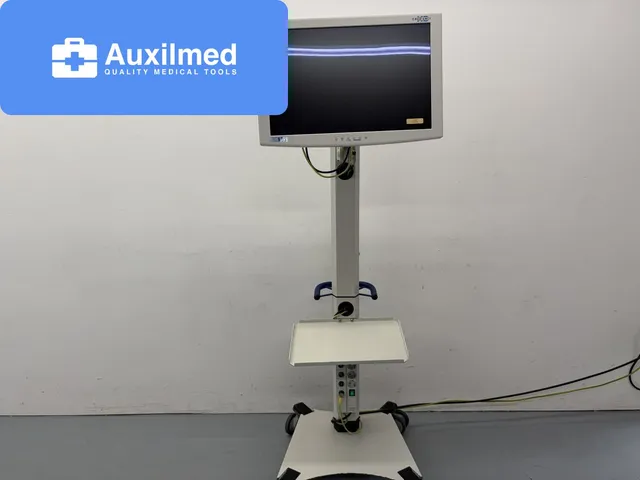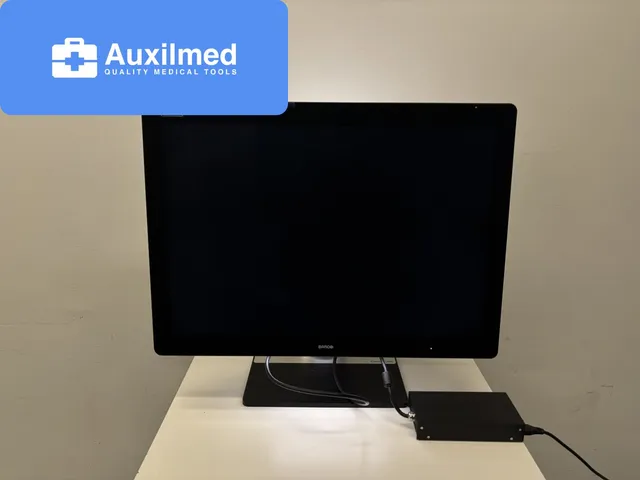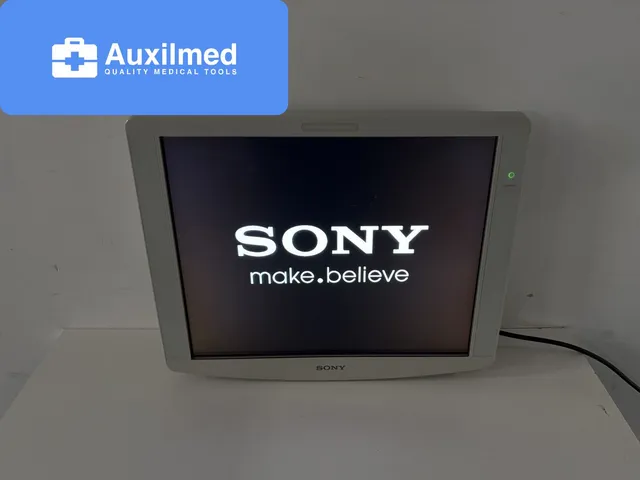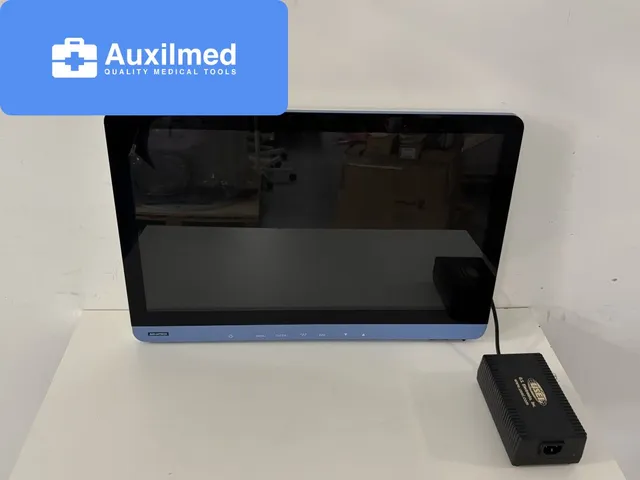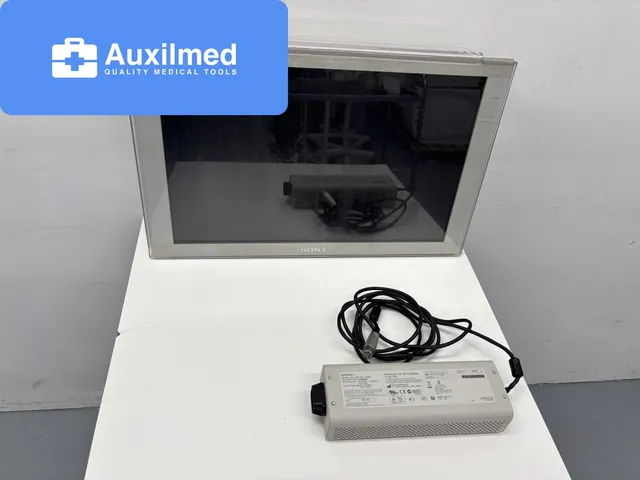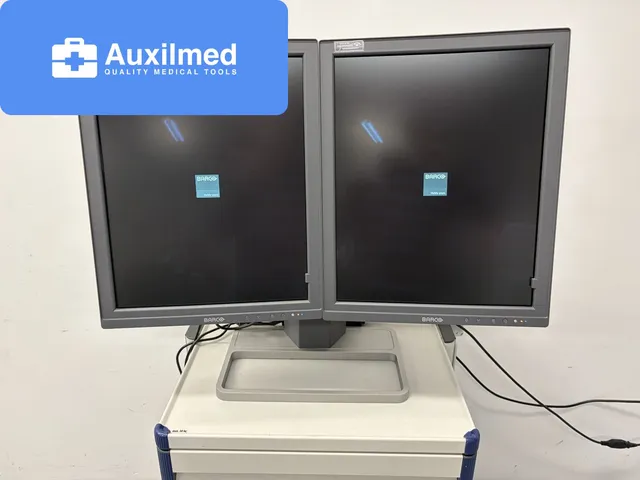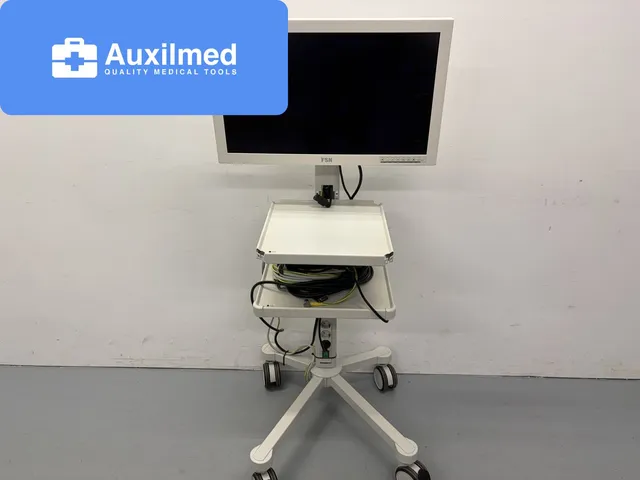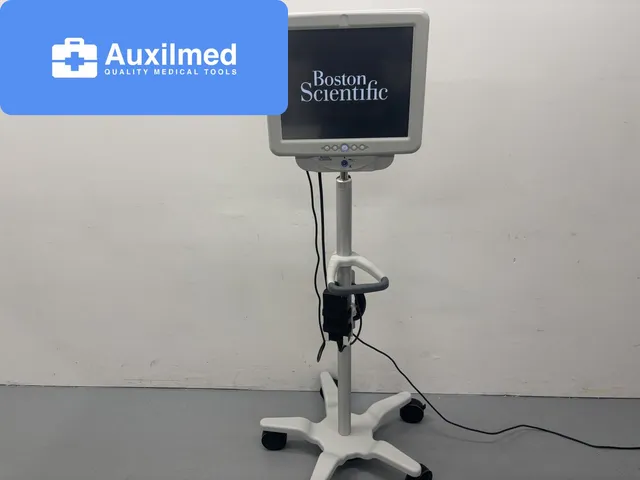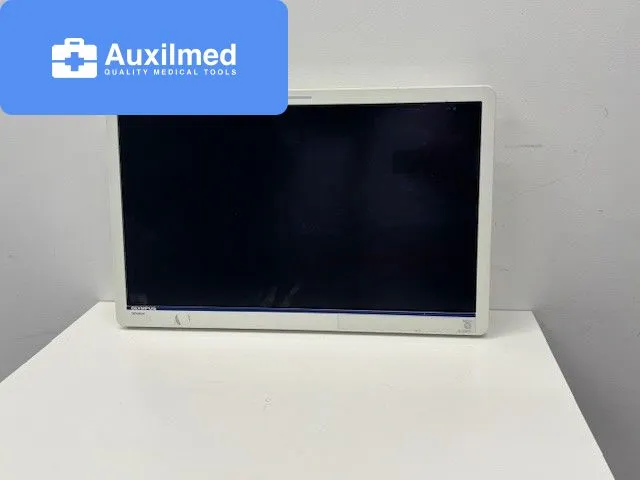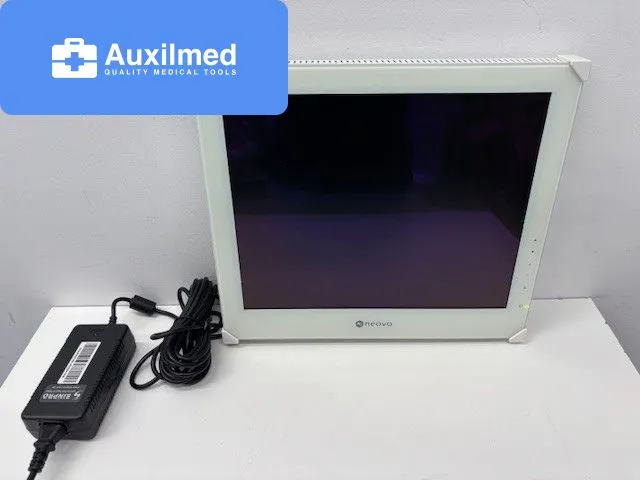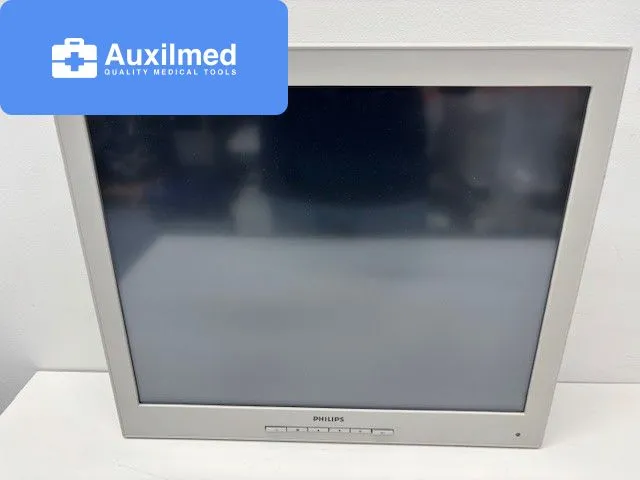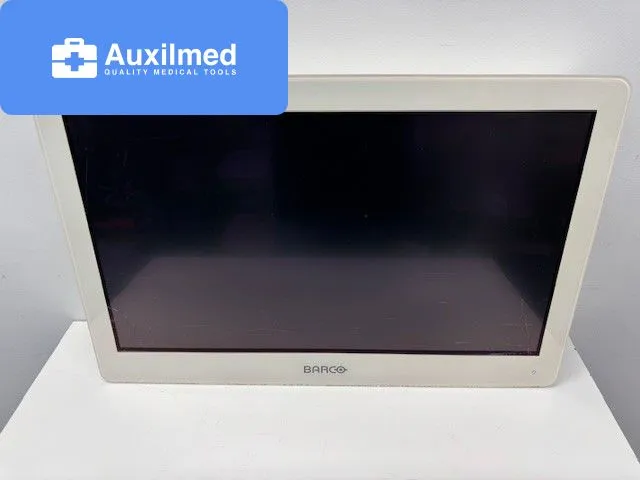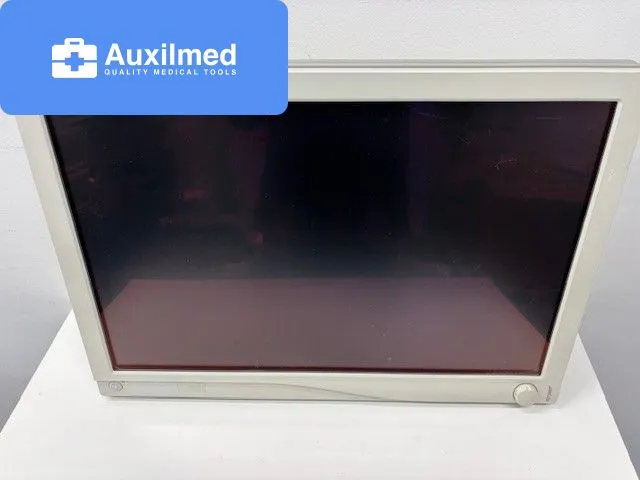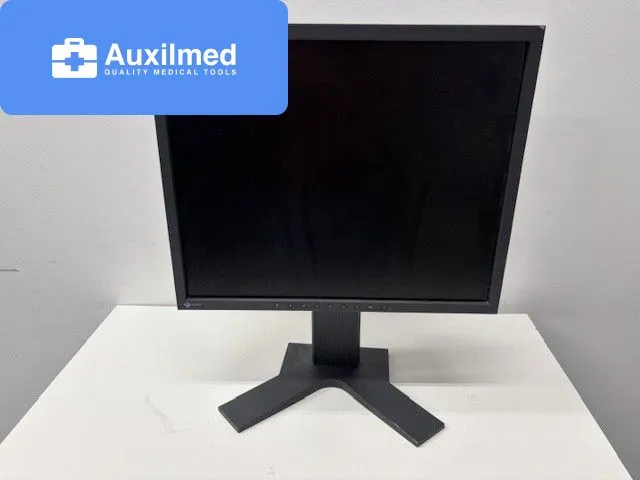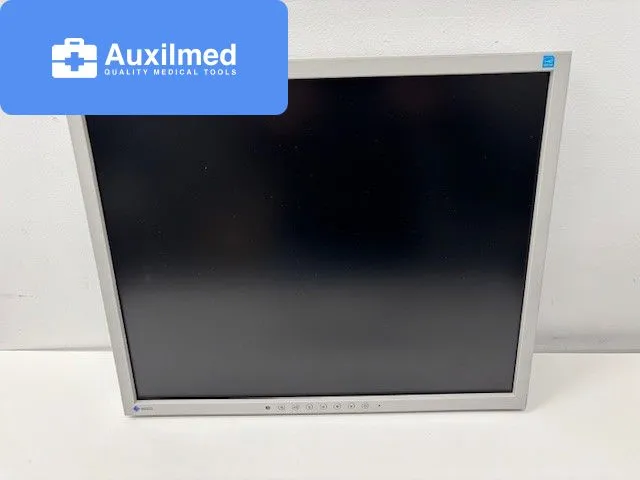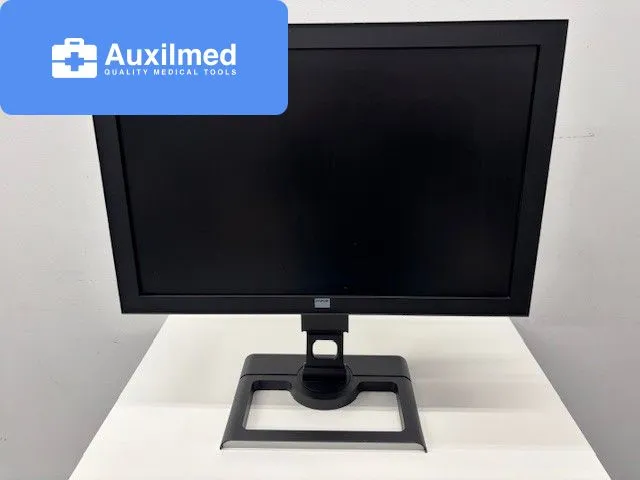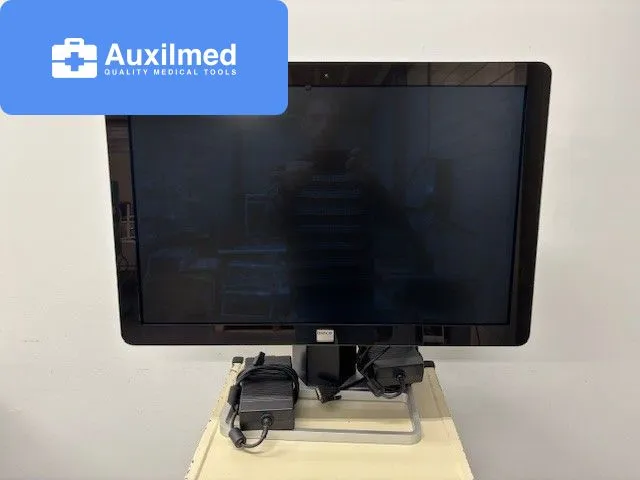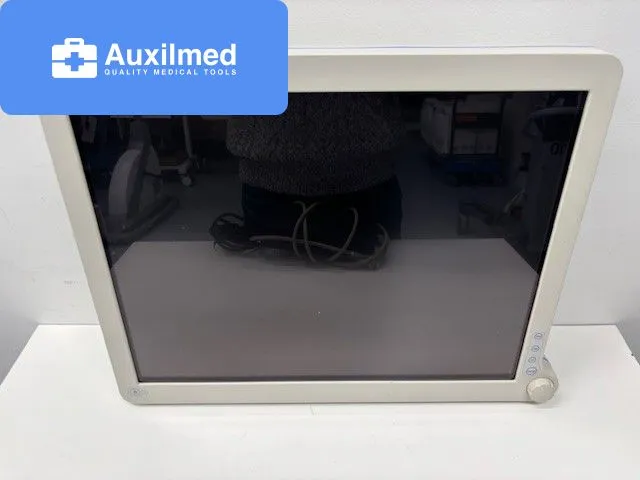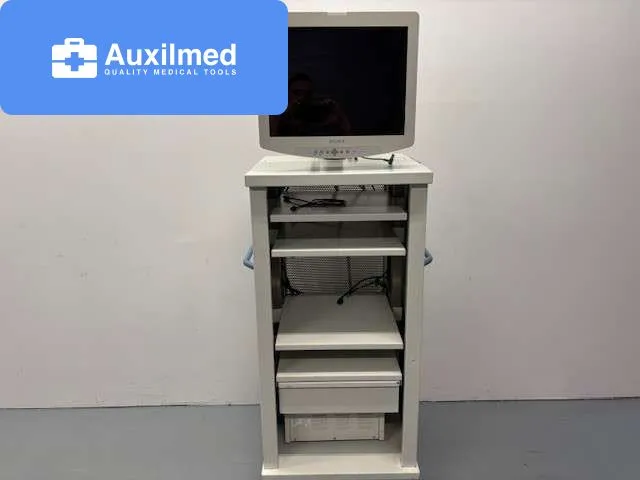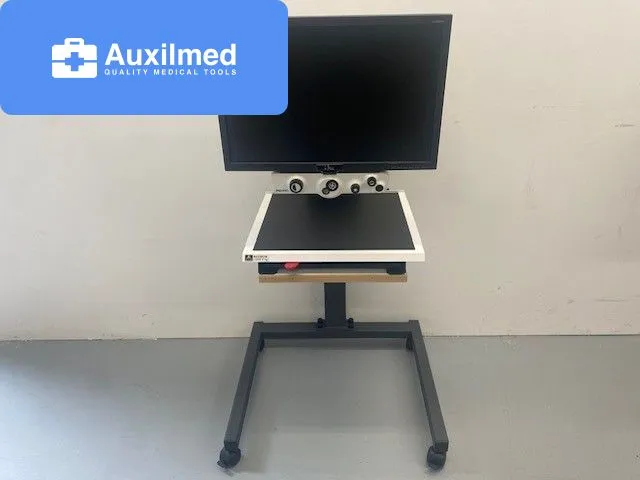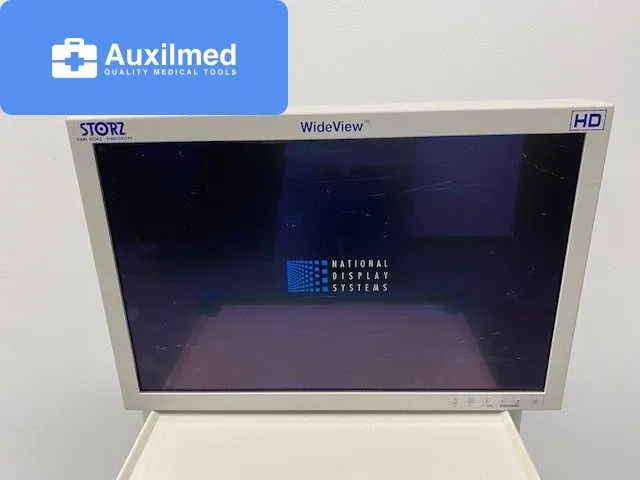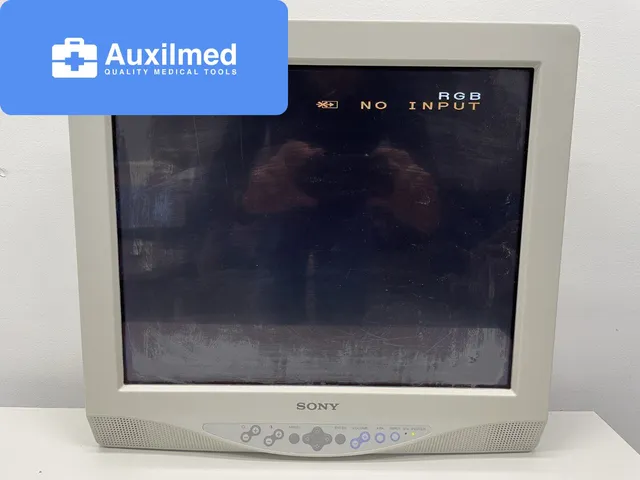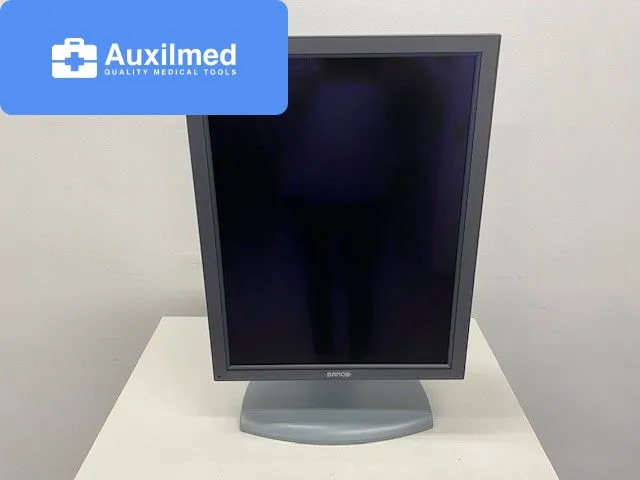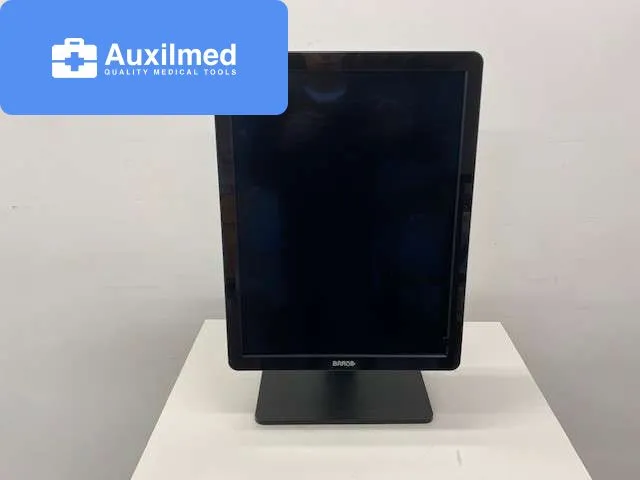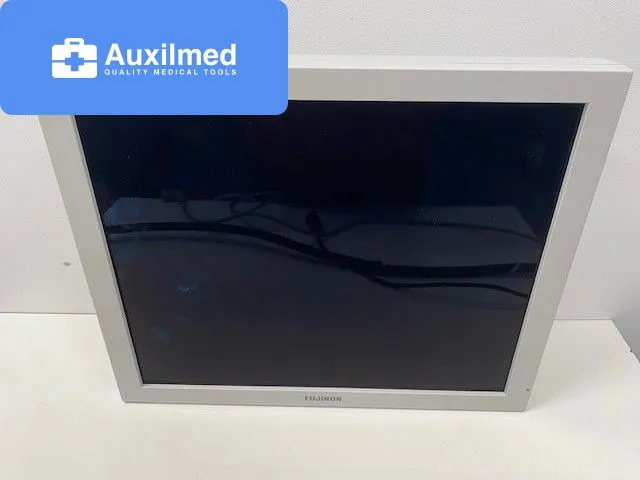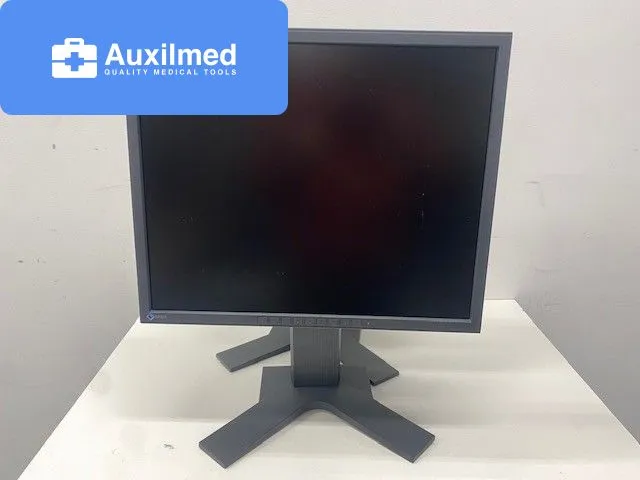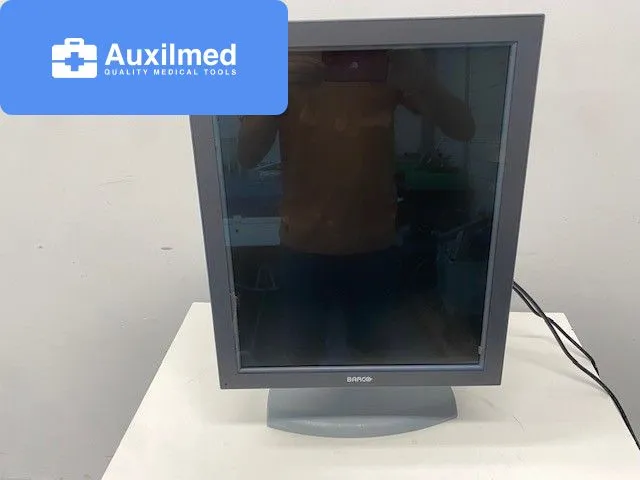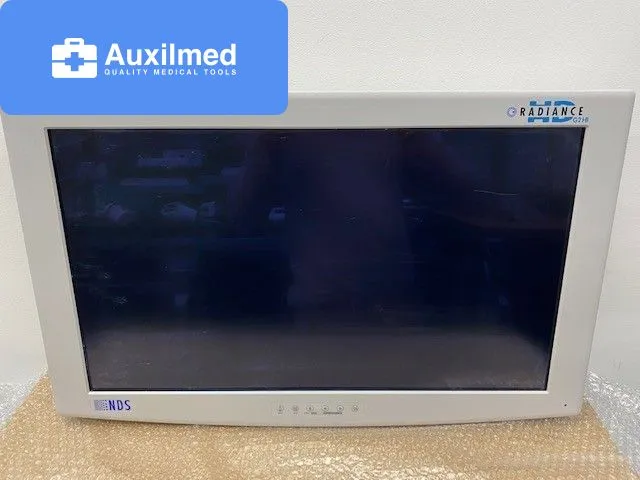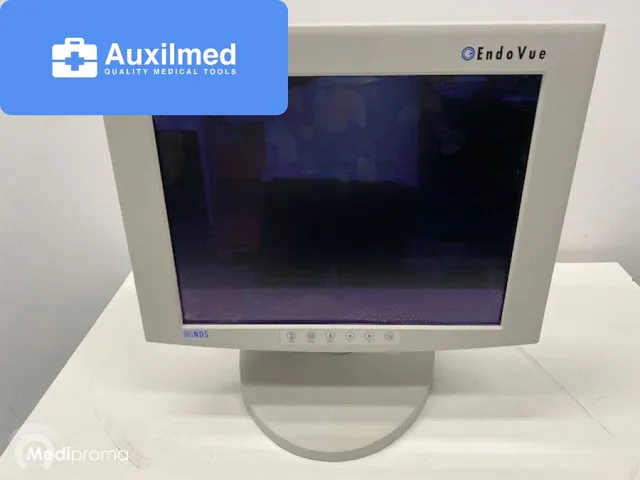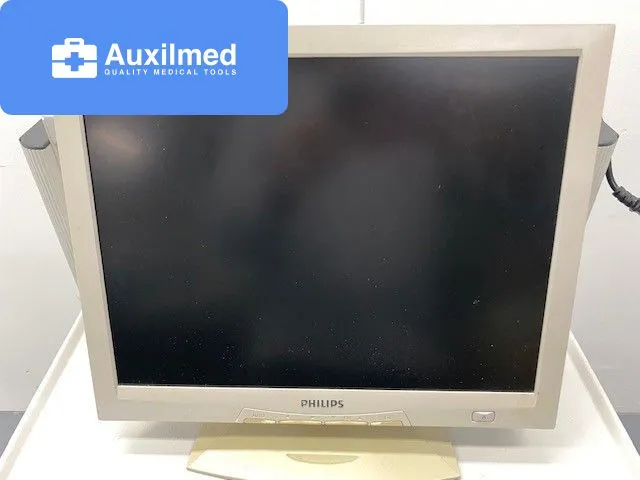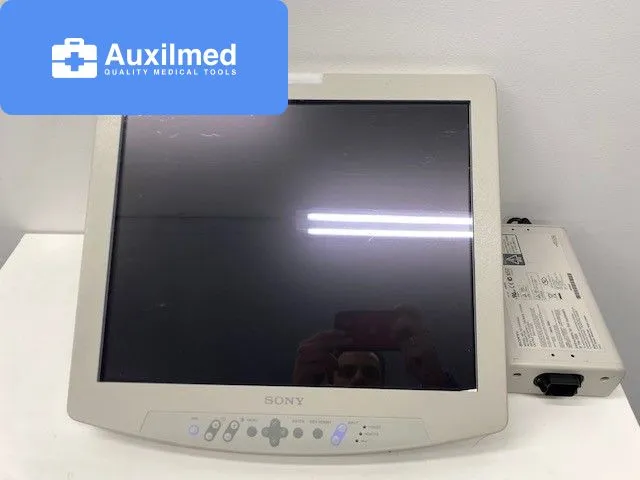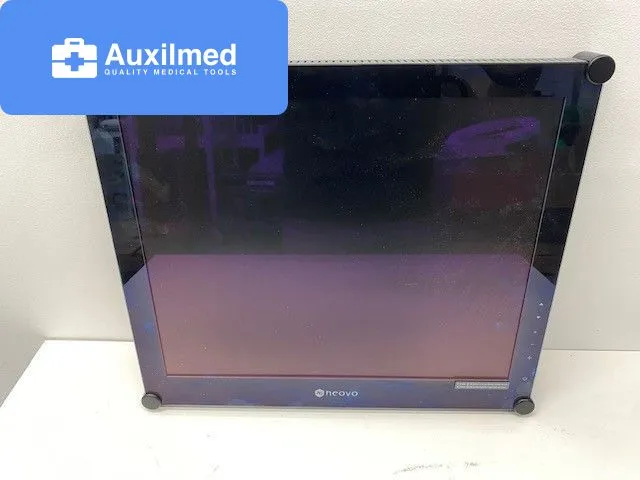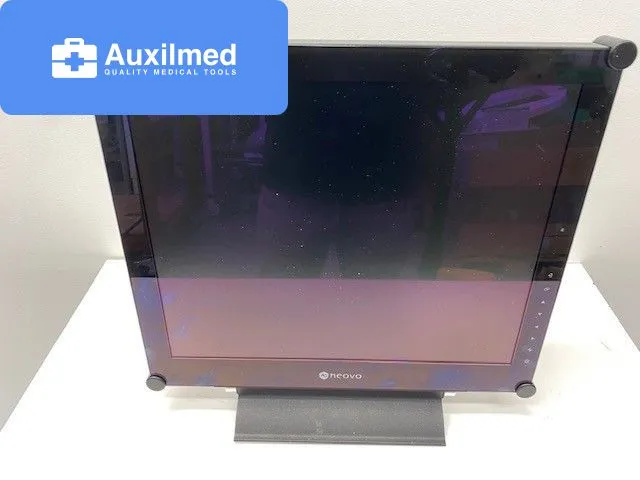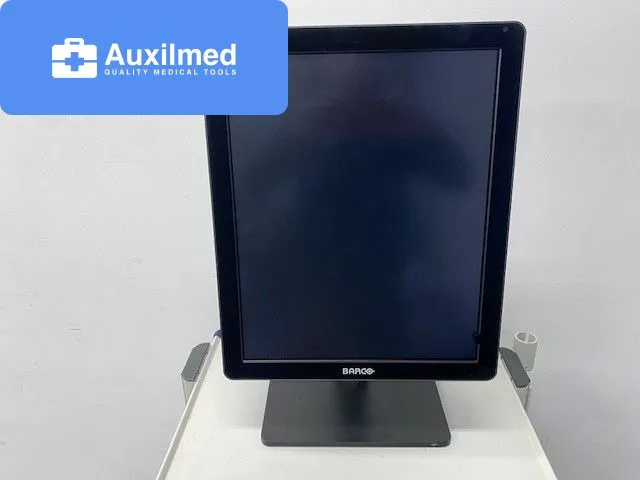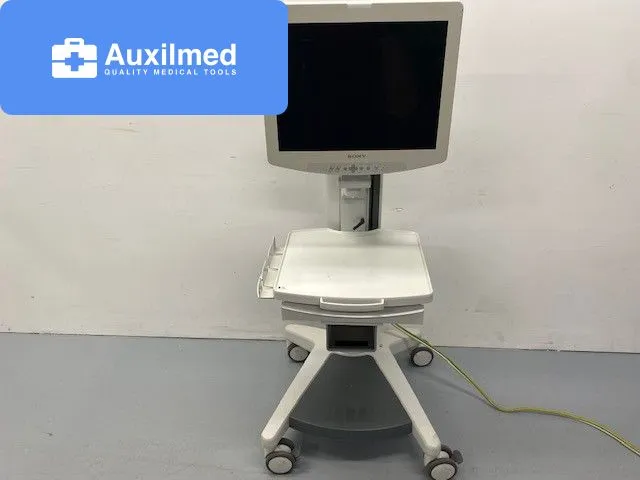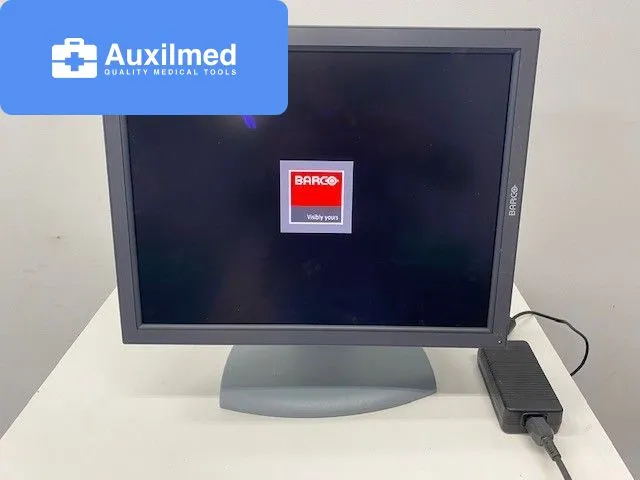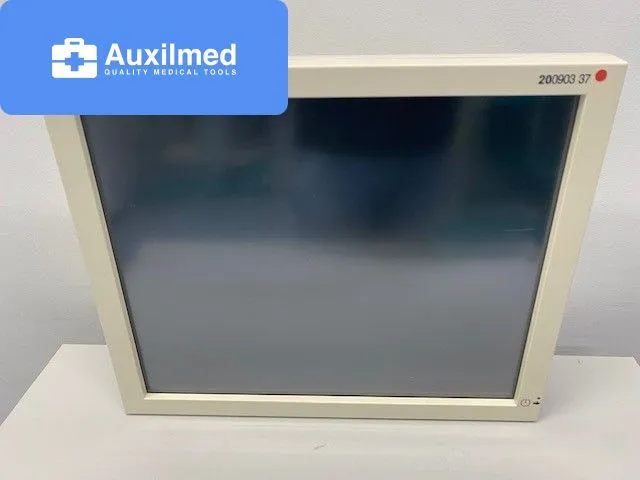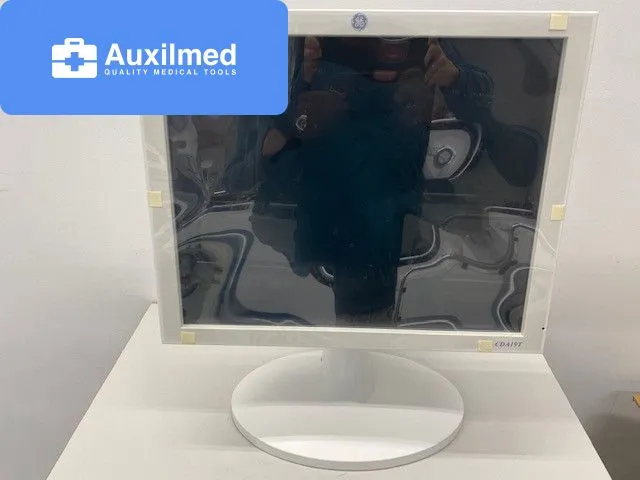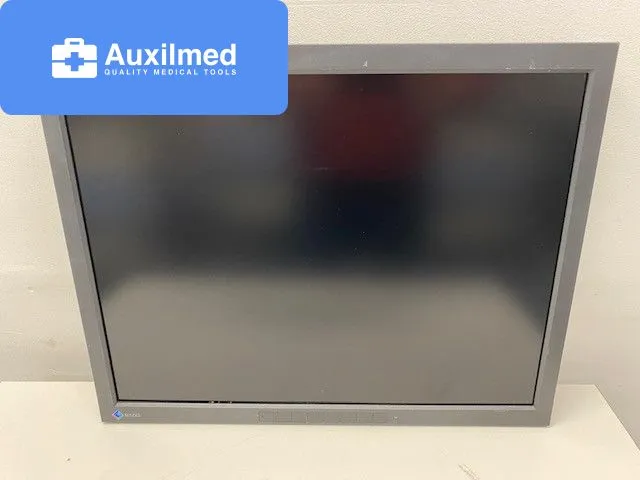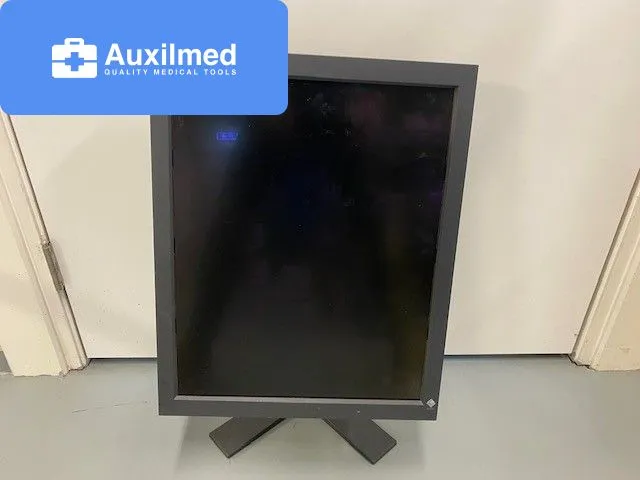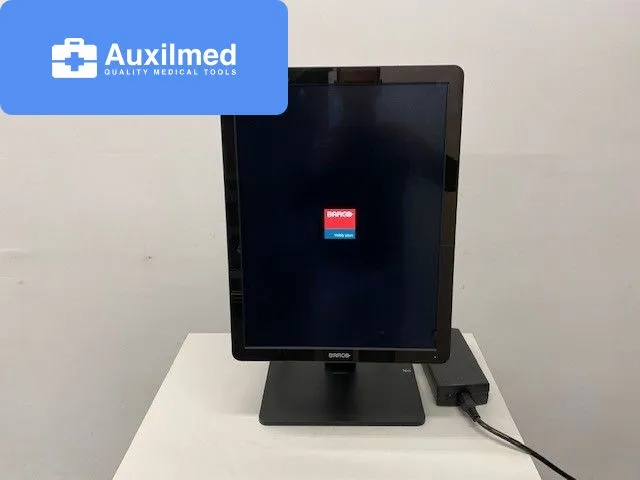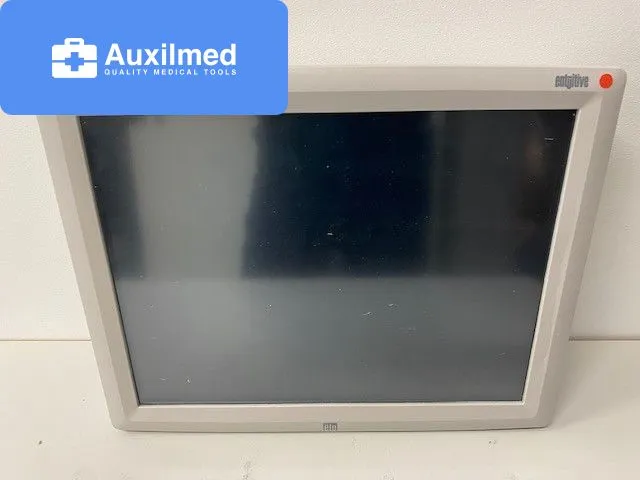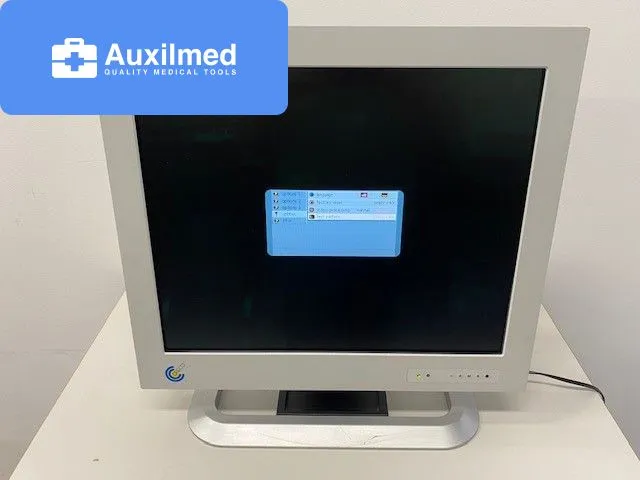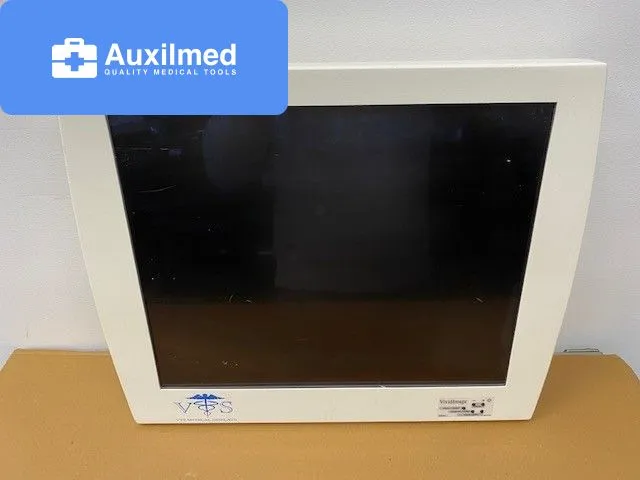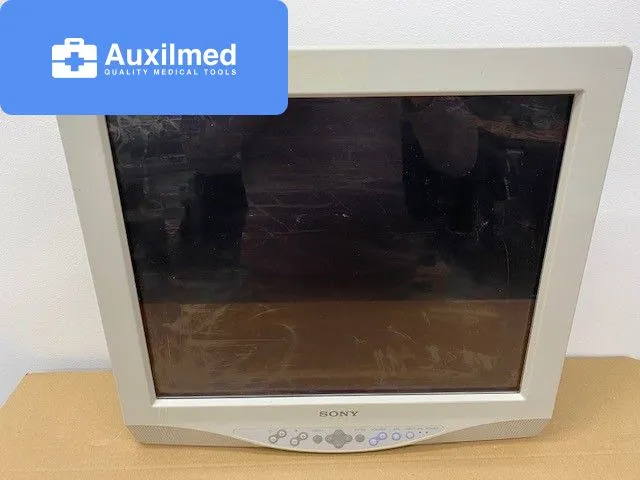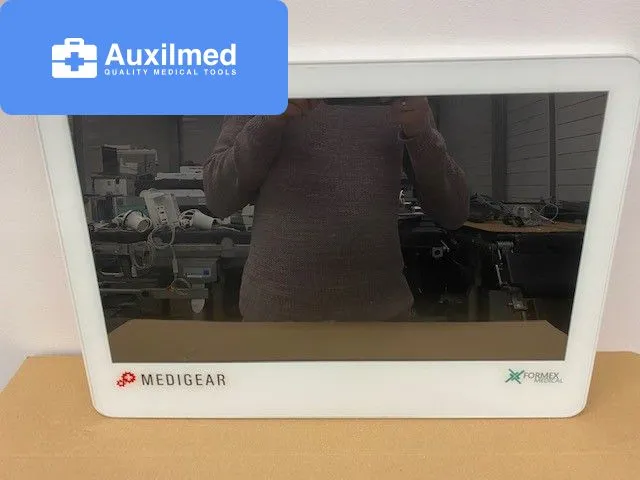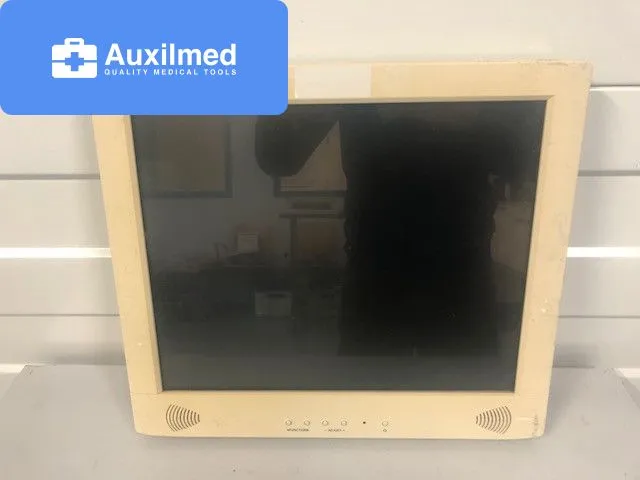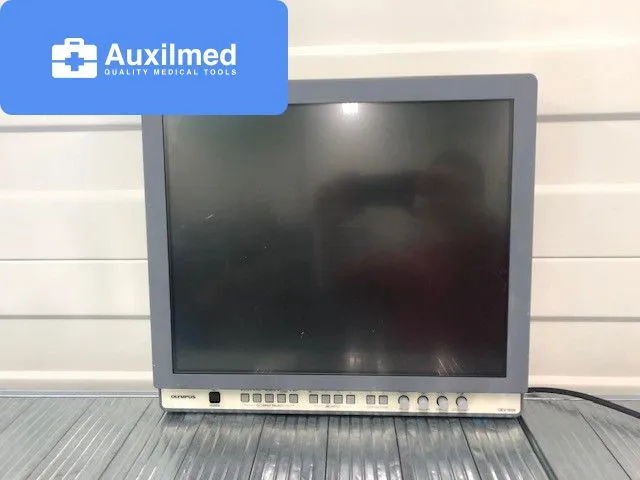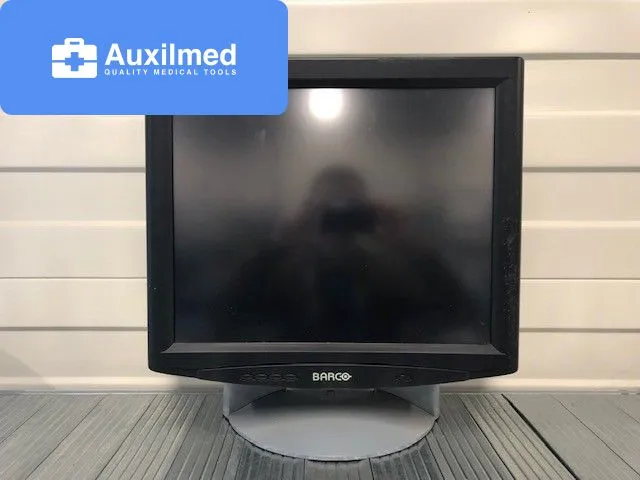
Two different product families share this heading, and roughly 53 units are listed across them: high-luminance reading monitors used to interpret radiological and mammographic images, and surgical or endoscopy displays built for the operating theatre. Stock comes largely from Dutch hospital installations. Each panel is tested for functionality and recorded with model, serial number, year of manufacture and condition notes. Pricing and availability arrive by reply to a wishlist or enquiry rather than through a checkout.
Sort by intended use before comparing anything else. Diagnostic reading monitors are calibrated, high-luminance panels for image interpretation, and mammography sits at the top of that resolution ladder. Surgical and endoscopy displays are theatre devices judged on latency, video inputs and a sealed, cleanable front. Clinical review screens carry no calibration duty, which is the line that separates them from a reporting monitor.
| Class | Typical use | What defines it |
|---|---|---|
| Diagnostic reading, greyscale or colour | Radiology reporting workstations | Calibrated luminance, DICOM GSDF conformance, higher resolution classes |
| Mammography reading | Breast imaging reporting | The highest resolution class, tight uniformity and luminance demands |
| Surgical and endoscopy displays | Laparoscopy, arthroscopy, theatre stacks | SDI and DVI inputs, low latency, sealed front, medical mains isolation |
| Clinical and PACS review | Wards, clinics, multidisciplinary meeting rooms | Adequate resolution and brightness, no formal calibration duty |
| Touch panels and system displays | Mounted on carts or specific host systems | Fit to the host device rather than to a generic specification |
The backlight, ahead of everything else. Luminance falls with running hours, and a diagnostic panel is usable only while it can still hold its calibration target with headroom to spare. Ask for the backlight hour counter and, where it exists, the most recent measured luminance. Uniformity drift, pixel defects and ageing power supplies are the other routes to retirement.
Usually yes, provided the backlight still reaches the target luminance and you have the means to calibrate. That means the vendor's QA software, a licence covering the workstation it runs on, and either the monitor's own front sensor or an external photometer. Calibration is a recurring workflow rather than a one-off, and the testing intervals that apply to you are set nationally.
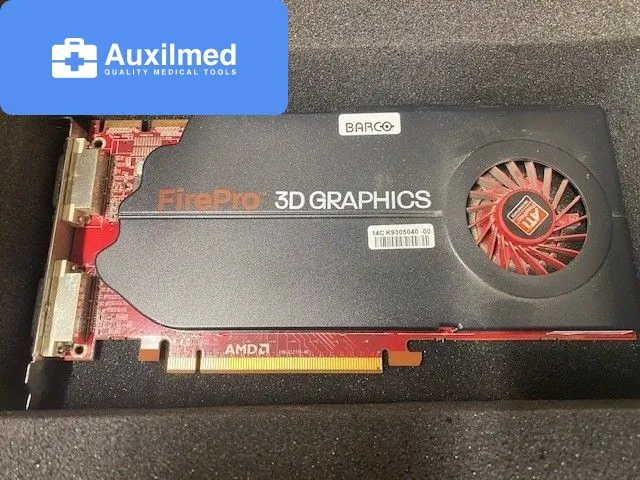
The display controller is the second half of the question. High-resolution greyscale reading monitors are often driven by a specific graphics card with matching drivers, and that card is not necessarily part of the sale. Confirm which controller the panel expects and whether your workstation can drive it.
Cabling and brackets are where used display purchases stall. Reading monitors need DisplayPort or dual-link DVI to run at full resolution. Surgical displays are specified around SDI and DVI inputs and often depend on a remote keypad. Both families may need a proprietary power supply. Draw up the accessory list alongside the panel and ask what is actually supplied.
Mounting is the other quiet cost. Reporting monitors leave hospitals on dual or triple stands that are not always sold with them, and theatre displays hang on arms and booms specific to their old room. Confirm the VESA pattern, the bracket, the mains lead for your region and any sterile-field control.
There is no universal cut-off. What matters is whether the display still reaches its calibration target with headroom, judged from the hour counter together with a measured luminance value rather than the counter alone. Ask for both, and budget for a calibration before clinical use.
Not automatically. Many medical displays use a proprietary external medical-grade power supply that is difficult to source separately, and video cabling depends on your workstation or theatre stack. The listing describes what accompanies each unit, and anything not stated should be confirmed by enquiry before you order.
That depends on the resolution class, the calibrated performance you can demonstrate, and the rules that apply where you practise. Auxilmed documents model, serial number, year of manufacture and condition. Confirming acceptance testing and QA requirements for diagnostic reading in your own country remains the buyer's responsibility.