Karl Storz

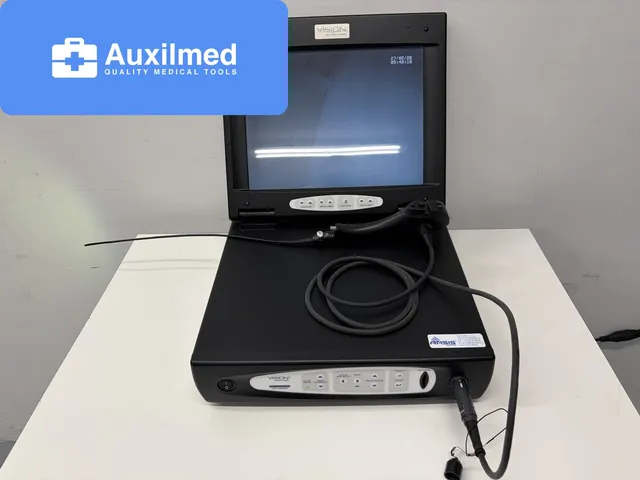
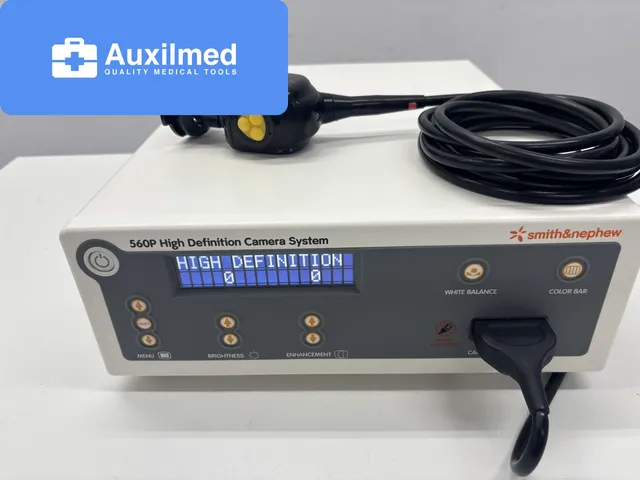
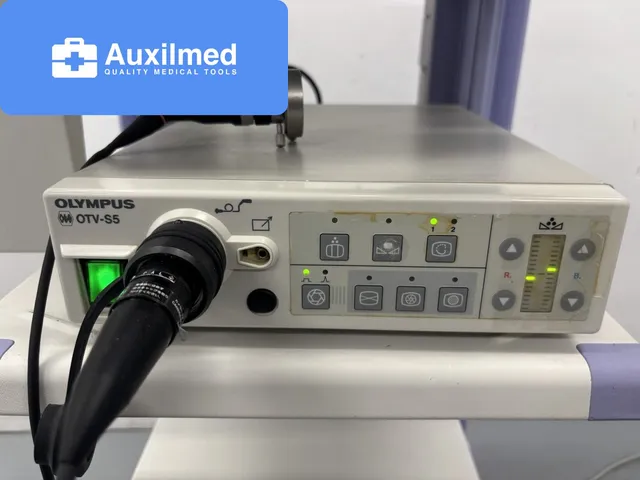
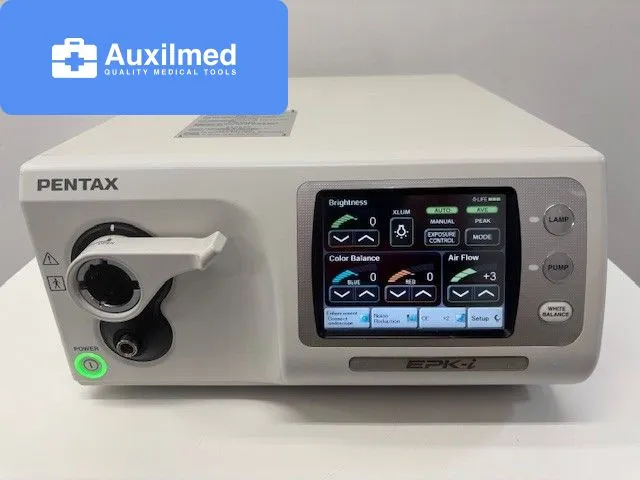
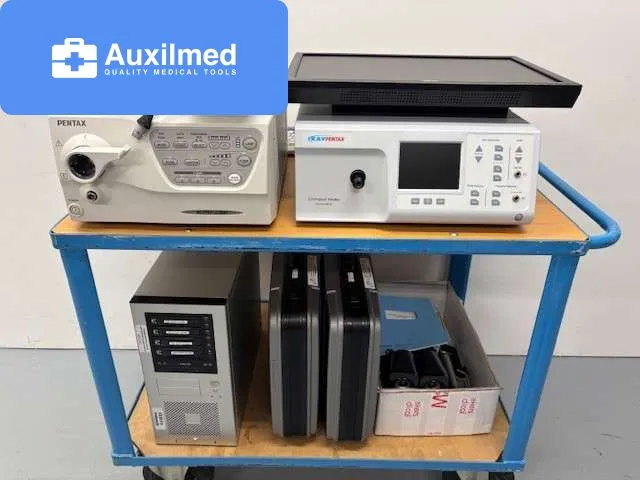
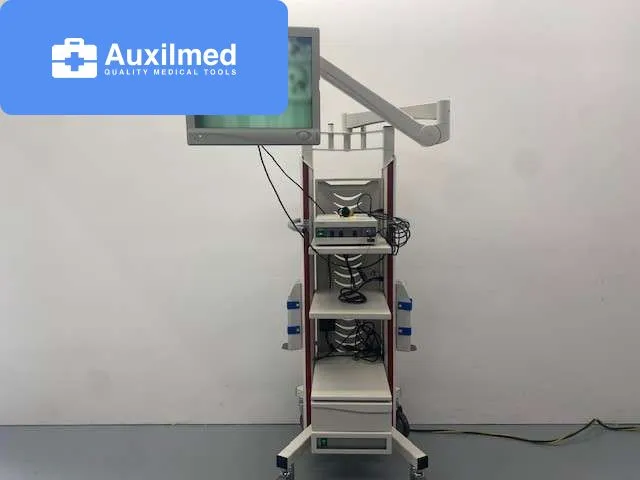
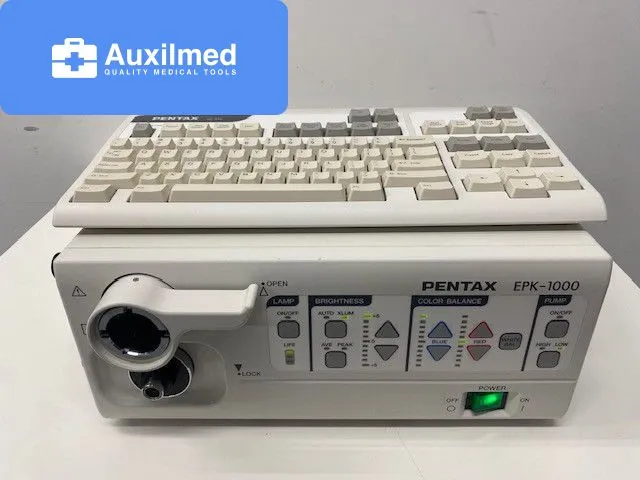
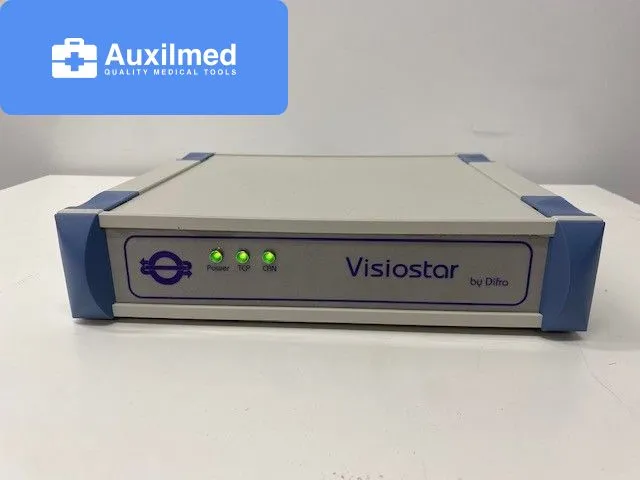
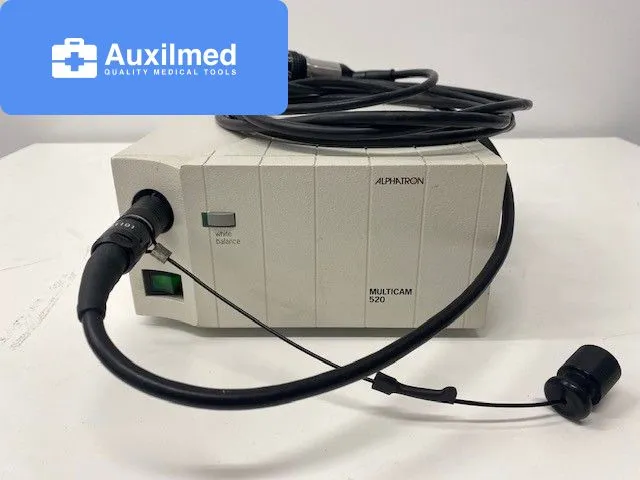
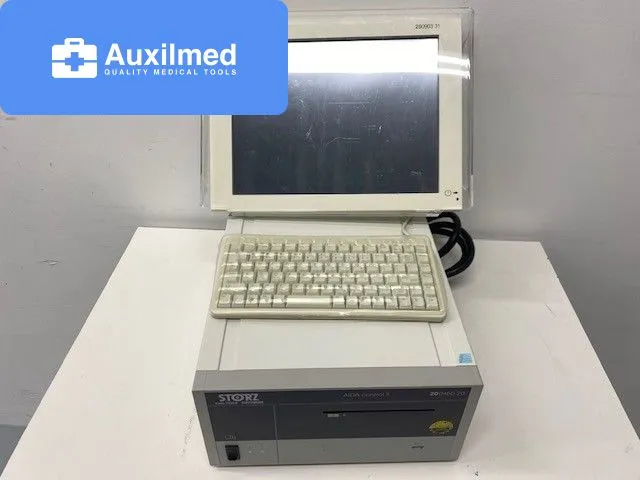
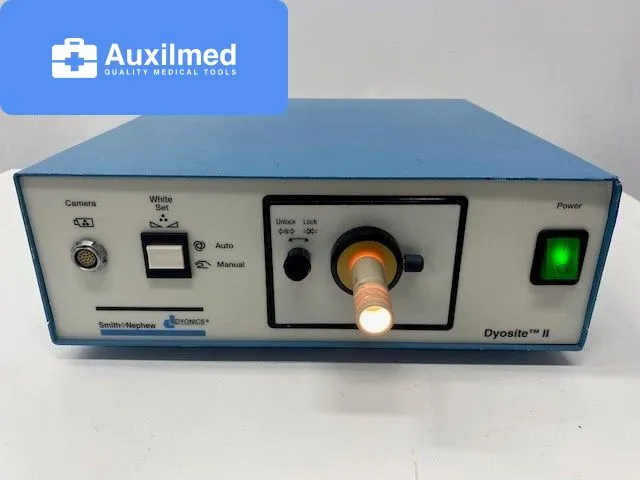
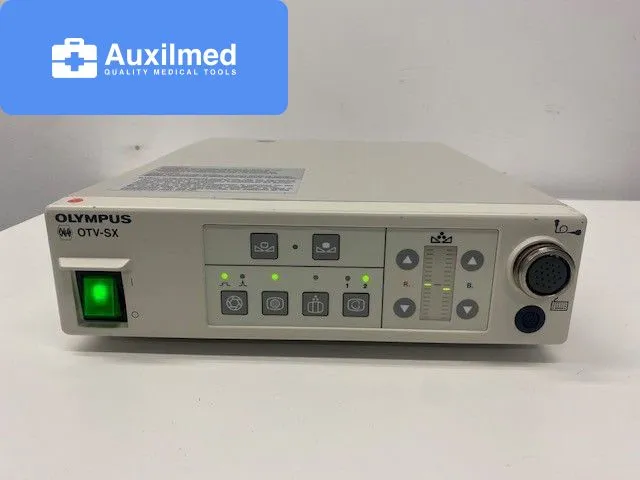
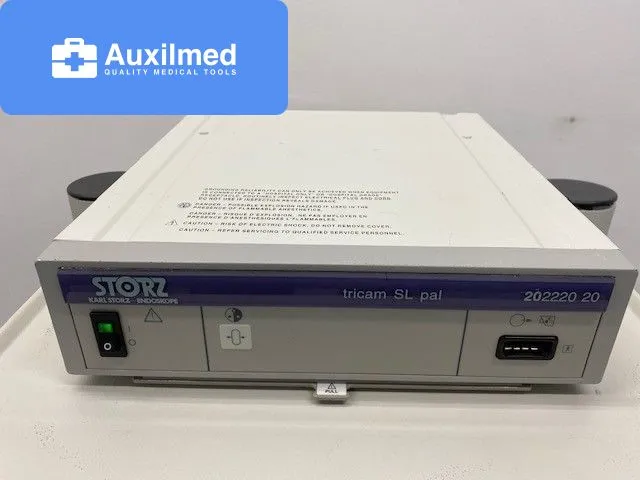
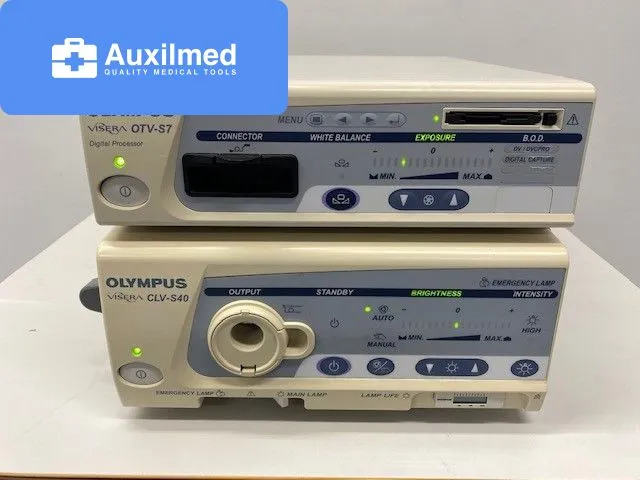
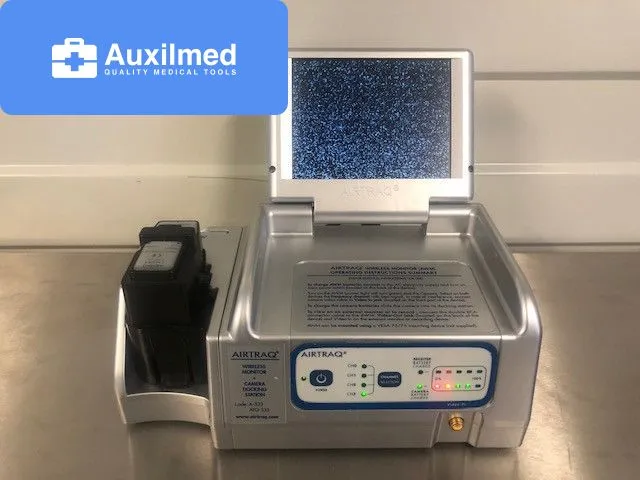
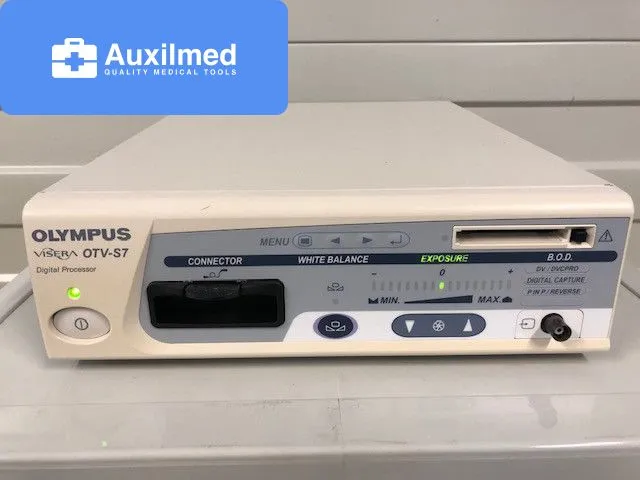
Endoscopic image quality is decided by the box behind the scope. This category, around 17 units, covers video processors, camera control units, integrated light sources and the documentation systems sharing the tower with them: flexible endoscopy processors from Pentax and Olympus, rigid-scope camera controllers from Karl Storz and others, plus complete trolleys. Compatibility with the scopes you already own governs everything here, so model and generation matter more than headline specifications.
The names get used loosely, and buying the wrong class of unit is the most common mistake in this category. Three distinct devices are involved, plus the equipment that records what they produce.
Answer this before anything else. Scopes and processors are matched within one manufacturer's own generations, and a connector that physically fits gives no guarantee that the processor supports that scope's sensor generation. No brand's processor drives another brand's scopes.
The electronics tend to outlast everything around them. Failures cluster in consumables and flexing parts, which is useful, because those are exactly the items you can ask about before buying.
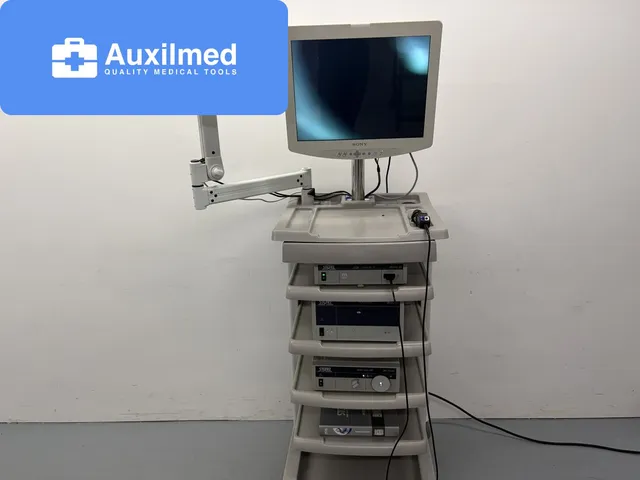
Buying a complete trolley sidesteps most compatibility risk, because those units were already working together in a hospital. Buying a single box makes sense in two situations: replacing a failed unit with the identical model, or holding a spare against downtime in a room that cannot stop.
The trade-off is logistics rather than function. A loaded trolley ships as one crated item, which Auxilmed can crate and forward worldwide with export documentation handled, whereas single units move easily but leave you to match them into an existing tower. Where a room is being equipped from scratch and no legacy scopes constrain the choice, the assembled tower is the shorter route.
Not by default. Control units and camera heads are separate items and are sometimes listed apart. Each product page records what is supplied with that specific unit, including couplers and cables, so confirm the full set with Auxilmed rather than assuming a complete chain.
No. Within the imaging chain, processor and scope must come from the same manufacturer and from compatible generations. Peripherals are more forgiving: monitors, insufflators, light cables and trolleys can generally be mixed, provided connectors and video formats match.
Where the unit itself reports lamp or system hours, that reading forms part of the condition check recorded for the item. Not every design keeps a counter. Ask for the figure against the serial number you are considering, and confirm lamp availability for the model too.